
Penrhyn Bay walk.
30th July 2026
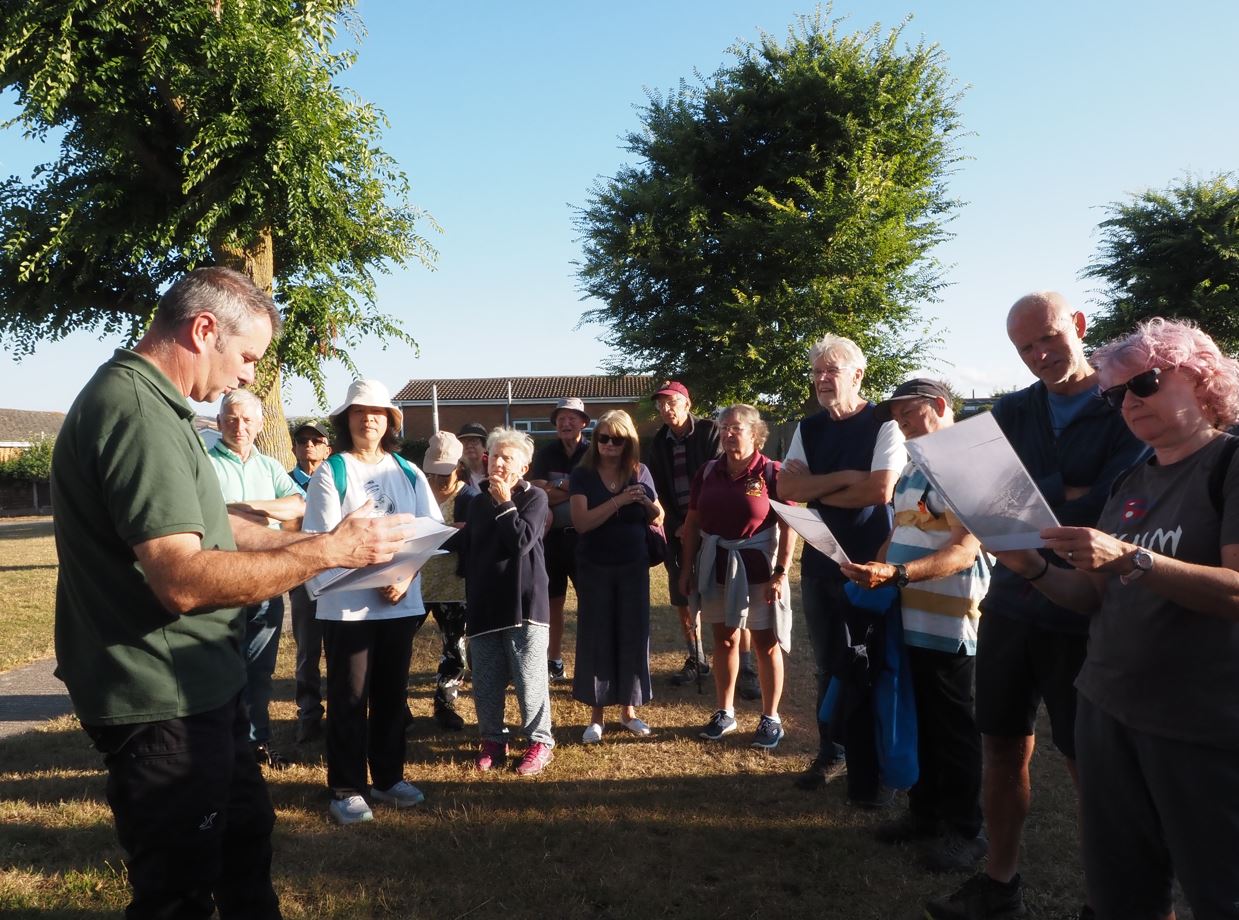
The penultimate walk of the season saw a change in walk leader but not of location! So instead of Philip, Adrian led a walk around Penrhyn Bay and the Little Orme. At Mountbatten Green, Adrian showed the group some amazing photos from the 1940s, a time before the estate of bungalows. Also evident in the photos was an old jetty from when a brickworks, clay pits and narrow-gauge railway dominated this landscape. The jetty was removed in the late 1940s but not before a young Llanddulas lad had lost his life during the demolition. A plaque at Mountbatten Green commemorates the eleven men from this community who died in the Second World War.
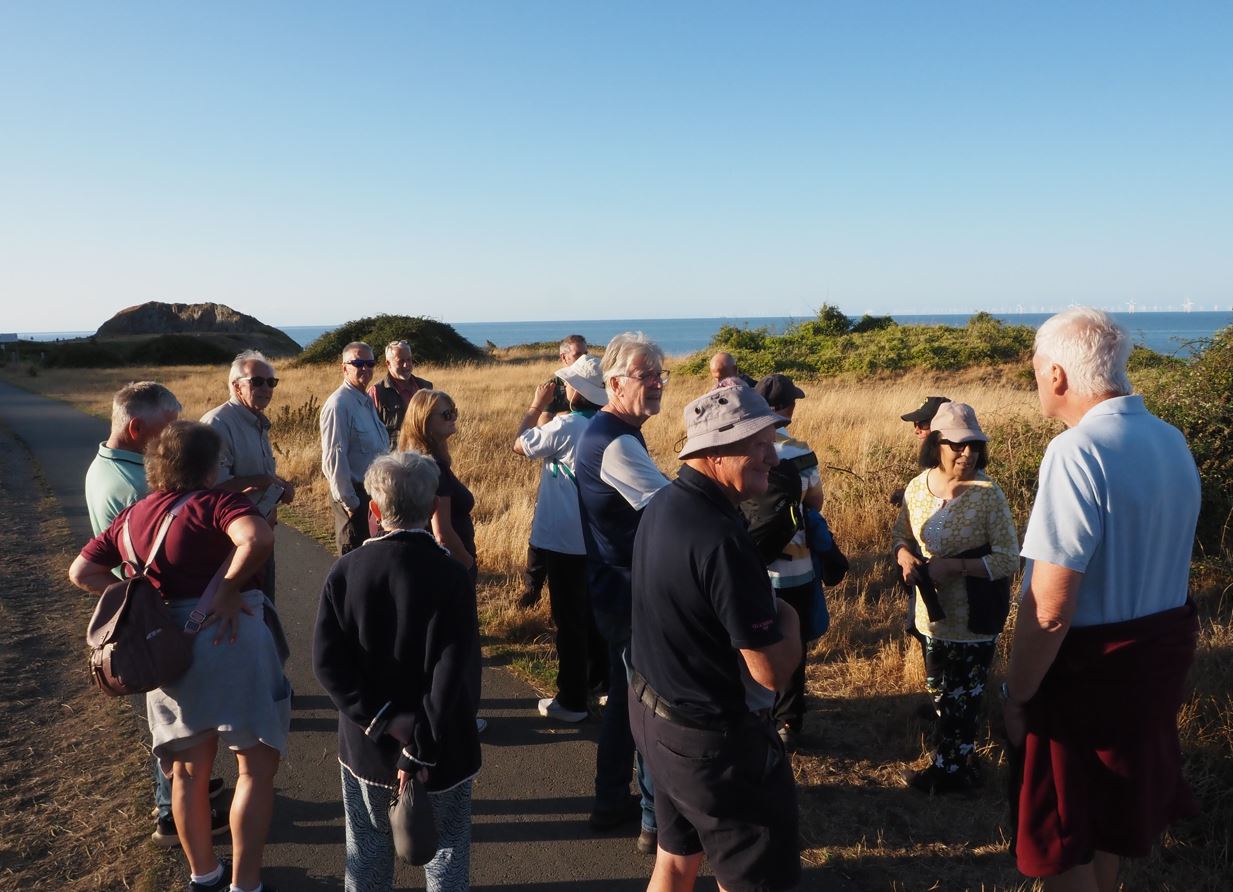
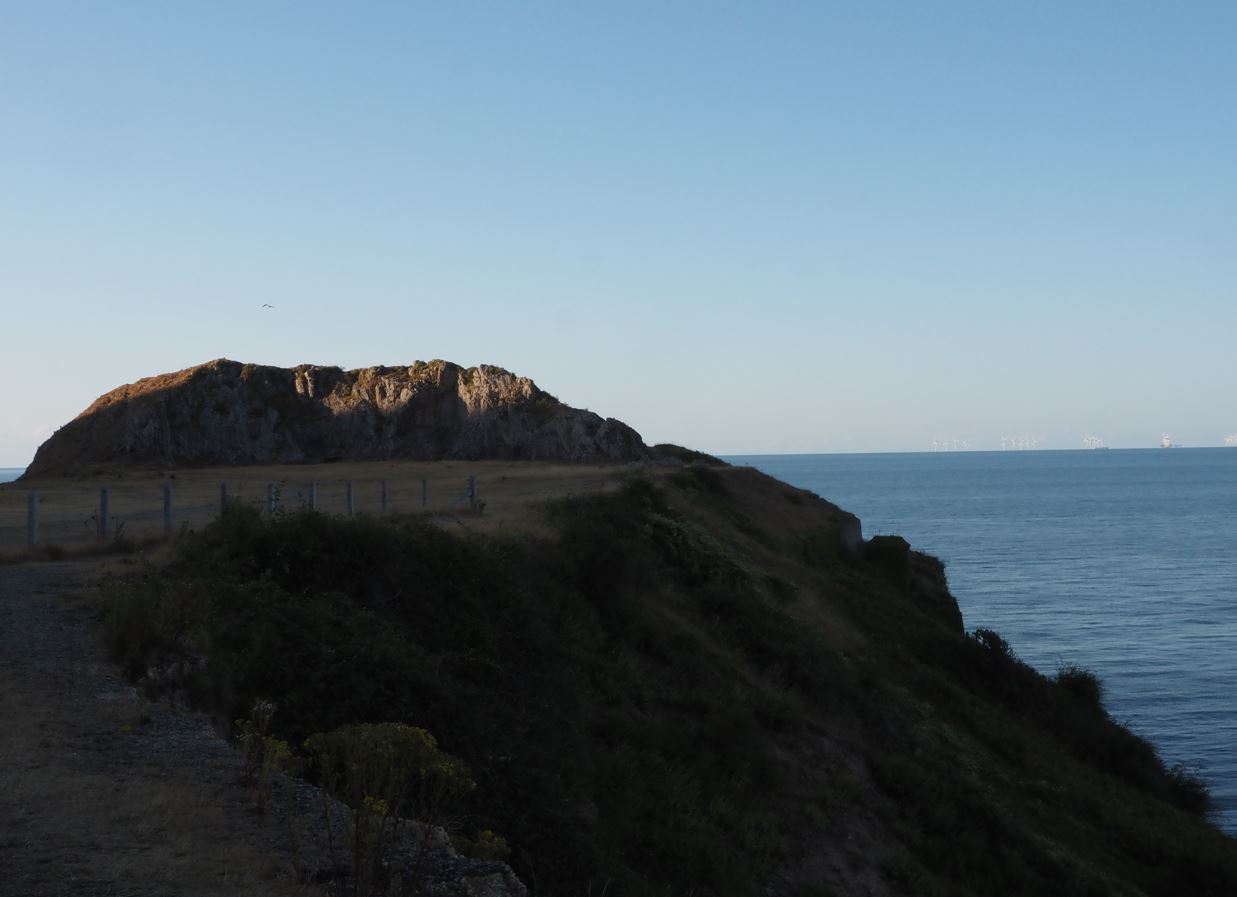
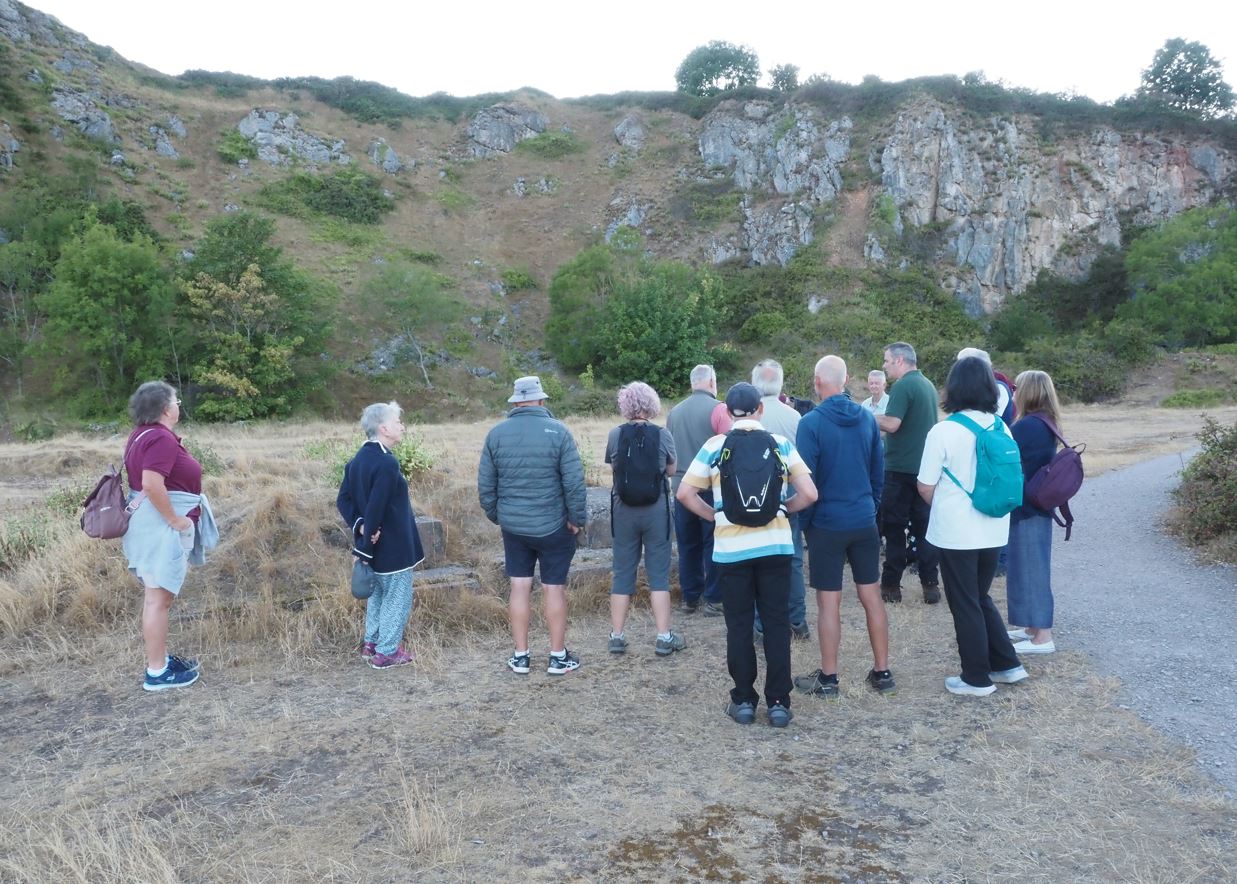
Walking through the estate, we arrived on the Little Orme and heard how the headland had been quarried extensively since the 1880s. The quarry was a big local employer and the village of Penrhynside expanded rapidly to house all the workers. A quay was built to take the limestone away to be processed to turn into cement or used in blast furnaces or chemical works. The Little Orme quarry was not the safest place to work and there were numerous injuries and fatalities amongst the workforce. In a deep natural fissure, the skeletal remains of a woman dating from c.5,570 years ago were found. The skeleton, now named ‘Blodwen’, are laid out at Llandudno Museum. Bronze Age finds include a bronze spearhead and the bones of animals now extinct in Britain such as the woolly rhino and bear.
After the closure of the quarry, the land remained deserted until taken over by the School of Coast Artillery as a practice camp during the Second World War. Here cadets would put into practice some of the skills they had learnt at the Great Orme site. As we left the Little Orme the position of a pillbox, built to secure the perimeter of the site, was located.
Pentre Isaf Farm has its origins in the seventeenth century and was once the third largest in the neighbourhood and it was on this farmland that the Penrhyn Beach Estate was built. The neighbouring property ‘Tranquillity’ was converted from the stone barn belonging to the farm.







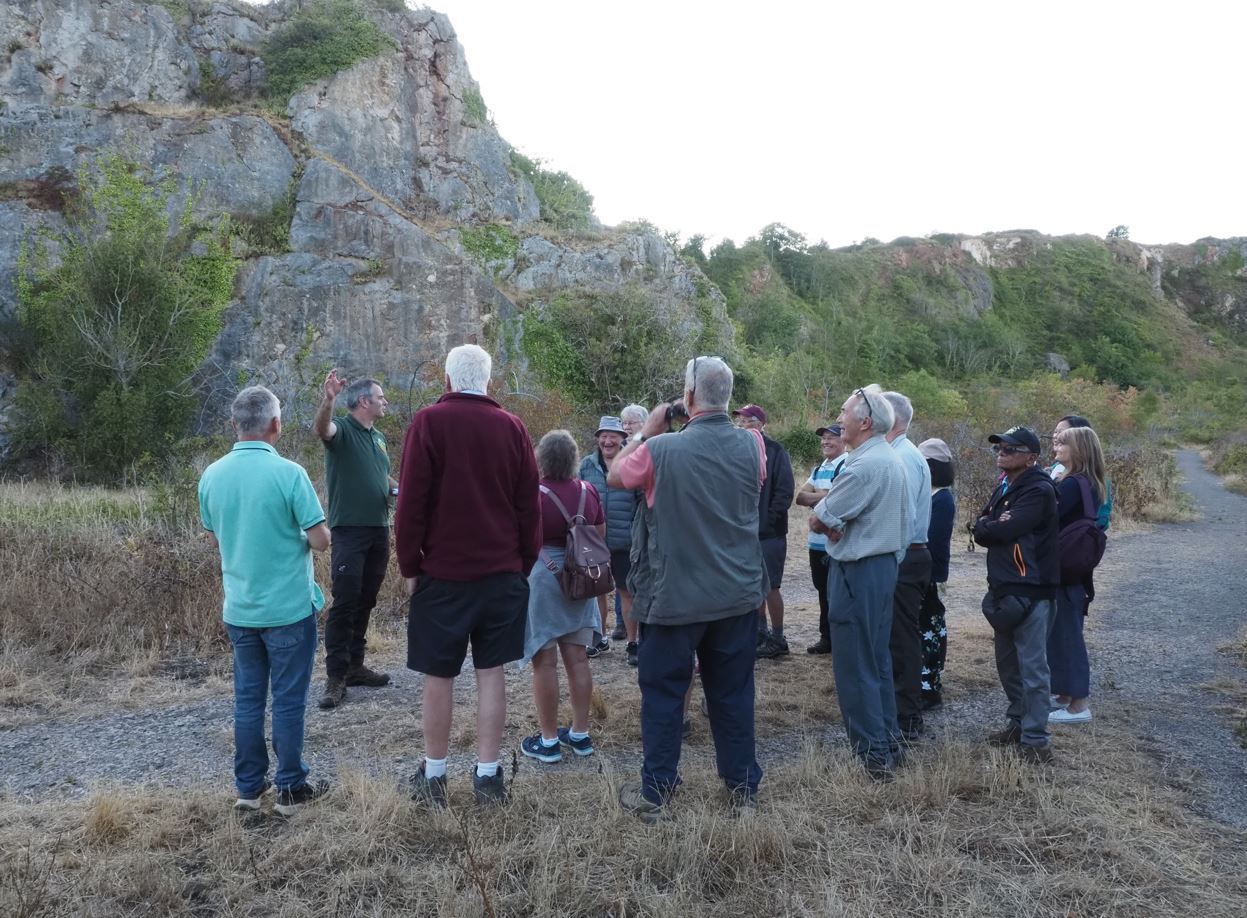


Many thanks to Adrian for stepping in again and thanks to Christine for the fantastic pictures.